- Exemptions Do Not Grant Immunity from Housing Law
A MEES exemption or a bare‑minimum EPC Band E often indicates that a rented property is at increased risk of breaching other housing laws:
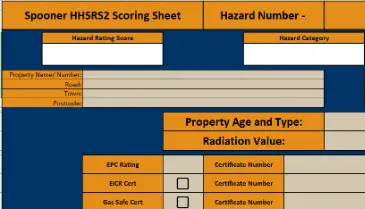
- Housing Health and Safety (HHSRS) Risks: Local authorities have a duty, under the Housing Act 2004, to assess homes that present significant health and safety hazards. There is a defined process to follow to determine if a hazard is likely to present a significant risk to health, a category 1 hazard. An E, F or G rated home is much more likely to present a “Category 1 Excess Cold” hazard. Homes that have expensive-to-run electric heating and low energy efficiency ratings are a particular concern.
Councils can issue Improvement Notices (with fines up to £30,000 for non-compliance) where category 1 hazards exist. This is regardless of the status of the home under The Energy Efficiency (Private Rented Property) (England and Wales) Regulations 2015 (more commonly referred to as the MEES Regulations). The two pieces of law are not aligned and reliance on MEES compliance is not the same as meeting the requirements for the property to be free from significant hazards.
- Fitness for Habitation: Under the Homes Act 2018, tenants can sue the landlord directly if the property is “unfit for human habitation.” A home that is difficult to heat cost-effectively, is more likely to fail this requirement, resulting in court-ordered repairs and significant compensation.
- Cold homes are often linked to damp and mouldy conditions due to condensation arising from cold bridging, inconsistent heating patterns, inadequate ventilation or other sources of dampness. Damp homes lose heat more rapidly creating a vicious cycle, which increases the risks for residents where landlords are not following national guidance on managing damp and mould risks.
- Tenant Expectations and “The Energy Gap”
An E, F or G rated property is significantly more expensive for a tenant to heat than a C-rated one and knowledge of this is growing:
- Lower Demand: Modern tenants actively seek out warm, efficient homes. Relying on a MEES exemption often means you are stuck with a “cold” property that is harder to let.
- Rent Review Risks: In future tenants may argue for lower rent at review times because the property is “substandard,” even if it has an exemption or an EPC E rating.
- Fuel Poverty Risks: Tenants in E-rated properties are at much higher risk of “fuel poverty.” This directly impacts your bottom line: if a tenant has to choose between paying the heating bill or the rent, then they are at increased risk of rent arrears.
- High Turnover: Tenants who experience “thermal discomfort” (drafts, damp, and cold) in a low rated home may well vote with their feet, leading to longer void periods and re-letting costs.
- Think Resale Value
An exemption doesn’t fix the property; it just labels it as “difficult” or “expensive” to improve. An E rating isn’t much better:
- Devaluation: Properties with low EPC ratings are increasingly viewed as “stranded assets”.
- Buyer Deterrence: Many buyers will look to deduct the future cost of required upgrades from their offer price.
- Exemption Non-Transferability: MEES exemptions are personal to the landlord. If you sell, the new owner cannot use your exemption; they must either upgrade the property or apply for their own, making it a much harder sell.
- Mortgage and Financing “Green” Incentives
The financial sector is moving faster than the government. Banks are now using EPC ratings as a primary risk metric.
- Higher Interest Rates: Some lenders are already applying “brown penalties” (higher interest rates) to properties with low EPC ratings (D and E).
- Green Mortgages: The best market rates are increasingly reserved for properties at Band C or above. By settling for an E, you may be locking yourself into thousands of pounds in extra interest payments over the life of a mortgage.
- Direction of Travel
The risks of not taking a long-term strategic approach to housing investment and management are increasing:
- From 1st May 2026 the Renters Rights Act 2025 increases the rights of tenants and increases the risks of non-compliance by landlords. Local Councils are under pressure to meet a wider range of regulatory duties in relation to privately rented homes to help reduce pressures on the NHS.
- From late 2026 the “Register your Rental Property” database will be rolled out to provide a central point where all relevant information for privately rented homes will be stored. Properties either missing from the database or misrepresented on it are likely to be targeted for enforcement against the landlords.
- From 1st October 2030 EPC C will be the new MEES requirement for rented homes (supported by a new exemption system)
- By 2035 all privately rented homes will be required to meet the Decent Homes Standard which will incorporate energy efficiency and housing fitness requirements
- Awaab’s Law will be extended into the private sector placing all landlords under a duty to manage risks of damp and mould and other hazards effectively.
Awareness of the health risks associated with cold homes, damp and mould and poor indoor air quality is increasing all the time. This will continue to feed into both buyers’ and renters’ markets and influence lending and regulatory practices.
Summary
| Feature |
MEES Exemption |
Band E (The “Minimum”) |
Higher than Band E |
| MEES Status |
Technically exempt but “flagged” |
Compliant (for now) |
Fully Compliant |
| HHSRS Risk
(Housing Act 2004) |
Extreme: High likelihood of “Excess Cold” hazard. |
Significant: Vulnerable to damp and mould claims. |
Low: Usually meets thermal comfort standards. |
| Fitness for Habitation
(Homes Act 2018) |
High risk of tenant lawsuits for “unfitness” |
Marginal; depends on heating costs vs. income. Expensive electric heating is a red flag |
Stronger legal defence against claims. |
| Resale/Lending |
“Stranded Asset”; difficult to mortgage. |
Limited lenders; higher interest rates. |
Maximum liquidity; “Green” mortgage rates. |
| Strategic Outlook |
Obsolete |
Carries risks, similar to
MEES exemption |
Future-proofed for the next decade (if Band C or above). |