Void periods are stressful for landlords due to lack of income and cost of bills. Avoiding void periods is the best way to safeguard against these losses. The hints below will help you to reduce void periods
Plan ahead: Talk to your tenants, find out what their plans are when fixed term ends. If they are planning to move out this will give you a chance to see if you can change anything they are not happy with. If they need to move anyway, knowing their plans early will help you to have a strategy in place ahead of when they move out
Keep good tenants happy: Don’t just carry out refurbishment when tenants move out. Replacing items/ furnishings can encourage good tenants to stay, avoiding a costly void period.
Choose your tenant carefully: Choosing someone who loves the property and wants to be there long term can save void periods. It’s a good idea to show prospective tenants around yourself, or let your agent know that a tenant who wants to be in the property long term is a priority for you
Keep your property energy efficient: Homes with a higher EPC rating are more desirable as energy bills will be cheaper for tenants. This will attract good tenants and encourage them to stay longer
Consider council lettings schemes: Schemes like East Suffolk Lettings and West Suffolk Lettings Partnership can help you to find suitable tenants with a housing need who are likely to stay long term. They also provide tenancy visits
If a tenant does move out, ensure that the property is advertised well and viewings are carried out promptly
Renters’ Rights Act
Read the latest on how the new law will affect tenants and landlords.
Rent Increases Under the Renters’ Rights Act: What You Need to Know
New rules introduced by the Renters’ Rights Act have changed how and when rent can be increased, creating a clearer and fairer process for tenants, landlords and letting agents.
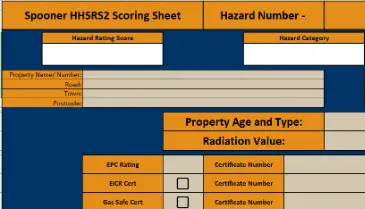
New HHSRS2 scoring tool now available for professionals
The Housing Health and Safety Rating System (HHSRS) is the framework used by local authorities to assess hazards in residential properties and determine whether action is required to protect tenants.