Feeling at home supports wellbeing, enabling self-expression and the pursuit of personal goals. Housing stability and autonomy are central to identity and life satisfaction.
Relationships: Tenant–landlord relationships vary widely, influencing security, repairs, and wellbeing; issues include power imbalance, agent responsiveness, discrimination, and community support networks.
Find out more
Property Characteristics: Tenants’ property choices reflect aesthetics, space needs, affordability, and changing circumstances, with challenges including overcrowding, poor conditions, limited choice, landlord restrictions, and accessibility for older or disabled renters.
Find out more
The importance of identity to home and wellbeing
In her late 60s, one tenant has lived with her husband in their current cottage for five years, having previously rented the neighbouring property for two years from the same landlord. Her housing journey has encompassed employment-related accommodation, home ownership – lost due to financial difficulties relating to her former husband, and private renting. The experience she has had with landlords has been very mixed.
Living somewhere that feels like home can be critical to wellbeing – helping people to live the life they want, to express themselves, and work towards the things they think are important.
Many interviewees said they felt at home where they lived and were able to ‘put their own stamp’ on it. Most tenants had personalised their space, at least to some extent – through decoration and displaying personal items such as photographs or artwork. This included children, sometimes with their own bedroom for the first time. Landlords were mostly happy for tenants to decorate, provided colours were conventional and the property was in good condition on departure. Tenants often wanted to ensure that their home reflected their own tastes and not someone else’s.
Sometimes though tenants only want to make the property ‘homely enough’. Creating a space they felt comfortable spending time in was important, but they were reluctant to over invest financially and emotionally in somewhere that would always belong to somebody else. For some who had experienced insecure and sometimes chaotic living arrangements, they have a home that allows them to focus on studies, work, creativity, or their own wellbeing. It could be a place where families could be together but also have their own space and where they could have home cooked food that was not possible in temporary accommodation.
Pets can play a significant role in defining tenants’ experiences of private rented housing, affecting not only their emotional wellbeing but also their housing choices, tenancy security, and relationships with landlords and agents. Many understand pets are ‘part of the family’ and saw them as a way of encouraging sustainable tenancies. For one very long-term tenant, this had contributed to a powerful sense of home and continuity.
Another tenant was denied a dog due to a landlord’s past experience with pet damage, despite wanting the companionship and encouragement to exercise. Two flat sharers have a dog they are emotionally attached to. They did not disclose it on their rental application due to concerns about being rejected. The dog – originally bought to support one of the tenants after a miscarriage – now provides a therapeutic companion for both.
The agency recently discovered the dog and informed the tenants that the landlord would decide whether they can stay or must rehome the pet. Two weeks later, they had not received any further communication and were waiting for the landlord’s decision.
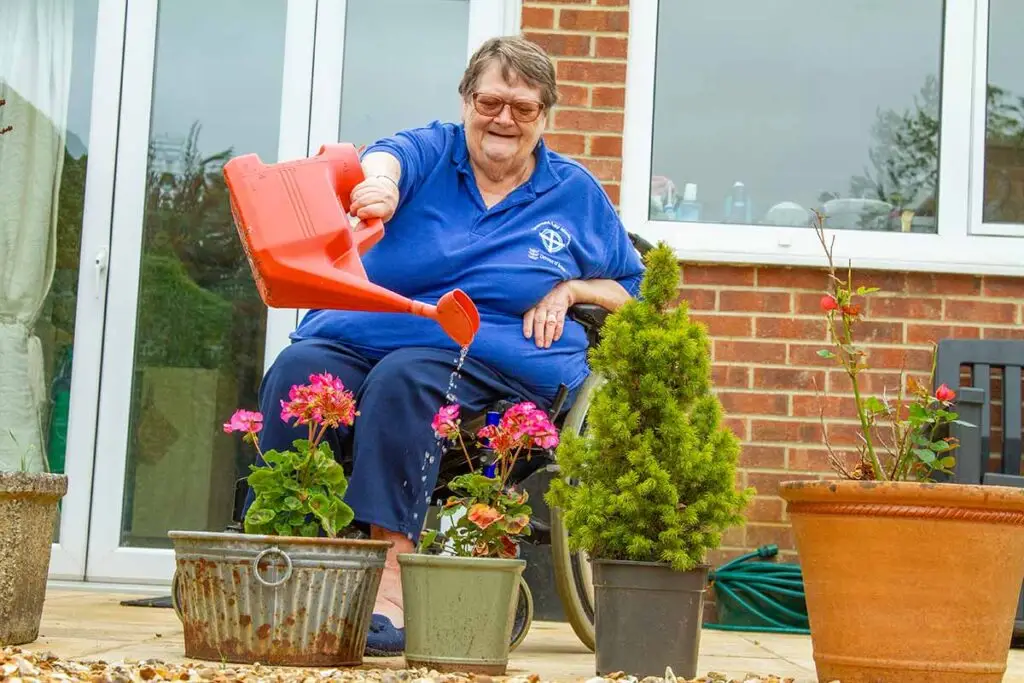
Gardens and gardening emerged as deeply significant to wellbeing, identity, and the experience of home. They are valued not only for relaxation and mental health, but also for practical and emotional reasons. Being able to dry laundry outside is a crucial factor in reducing condensation for some, while others enjoy spending time outdoors with family.
Gardens also play a role in community building, helping establish informal support networks and encourage neighbourly relations. In both rural and urban contexts, even small outdoor spaces were valued for their connection to nature and stability.
Many enjoyed the freedom to be creative with layout and planting. For older tenants it was a way of remaining active, of expressing their personality and creating something they could be proud of.
Others were restricted from making changes, allowed to do no more than keep the space tidy, proving a barrier to feelings of autonomy and the ability to personalise where they live. A couple of tenants said they wanted to introduce wildness in their garden or to let it grow during ‘no mow May’, to encourage pollination but this was prohibited by the managing agents.
For many, a key factor was location and maintaining close contact with friends, family, community activities, and facilities for children. Each tenant had their own idea of the right balance between being connected with others and enjoying privacy. For many living in rural and more coastal locations, often in properties they would not be able to buy, it was privacy and a sense of isolation they valued most.
For many others, where they lived did not feel like home. For some this was due to the condition of the property, while for others it was worries about the lack of security, particularly those with children. Some felt a stigma attached to being a tenant, looked down on either by their landlord or by others who see homeownership as the norm. For others it is a lack of control, especially where restrictions were placed on personalisation. Intrusive and disproportionate inspection can also bring reminders about who the property really belongs to. There are also those for whom where they live has itself become a place of conflict because of their personal relationships.
The cumulative effect of a housing journey marked by insecurity can have a profound impact on a sense of identity. One tenant spoke of the guilt and emotional burden they carried due to not being able to maintain housing stability during a critical period in their family’s life. Financial difficulties relating to self-employment and a major client not paying their bill led to rent arrears and eviction from a private rental. Their eldest daughter struggled significantly at university due to the lack of a secure home to return to, a situation described as deeply painful. Despite a close support network, they felt isolated. The experience affected the tenant’s mental health, leaving lasting emotional scars.
Some tenants were frustrated in their ambition to become homeowners, which they thought would offer greater security, stability, and autonomy. Several noted that their current rent payments were comparable to or higher than the cost of a mortgage, but high rents left them unable to save for a deposit along with the other costs involved. It brought dilemmas about the balance between spending money now to enjoy life and saving it for a potential future.
Some felt they were most likely now past the age when they would be able to buy their own home, were not in sufficiently secure employment, or would struggle to afford a mortgage on their own. The gap between aspiration and opportunity often intensified dissatisfaction with their current circumstances, preventing the pride in home that might come with ownership.
Many older renters and those with disabilities live with the knowledge that at some point their home may no longer be suitable. They worry that moving somewhere that meets their needs would mean severing the connection between home and identity, a feeling that can already be acute with a degenerative disability.
Our research collected more detailed information on key themes which are illustrated with case studies.
Tenant–landlord relationships vary widely, influencing security, repairs, and wellbeing; issues include power imbalance, agent responsiveness, discrimination, and community support networks.
Tenants’ property choices reflect aesthetics, space needs, affordability, and changing circumstances, with challenges including overcrowding, poor conditions, limited choice, landlord restrictions, and accessibility for older or disabled renters.
Tenants report mixed satisfaction; many face damp, mould, cold homes, and disrepair, causing health and mental strain, with limited landlord accountability.